Let’s be honest. Few things sting more than spending your money on a Northern Lights holiday, braving the Arctic chill, and coming home with… nothing.
The aurora is glorious — and gloriously unpredictable. It doesn’t run to timetables and it certainly doesn’t perform on command.
The trick? Knowing where to go, when to go, and how to stack the odds in your favour.
That’s exactly what this guide is about: the right regions under the auroral oval (the ring around the magnetic pole where the lights are most frequent), the months that matter, and the on-the-ground tactics that genuinely boost your chances.
Iceland: fire, ice and the aurora oval
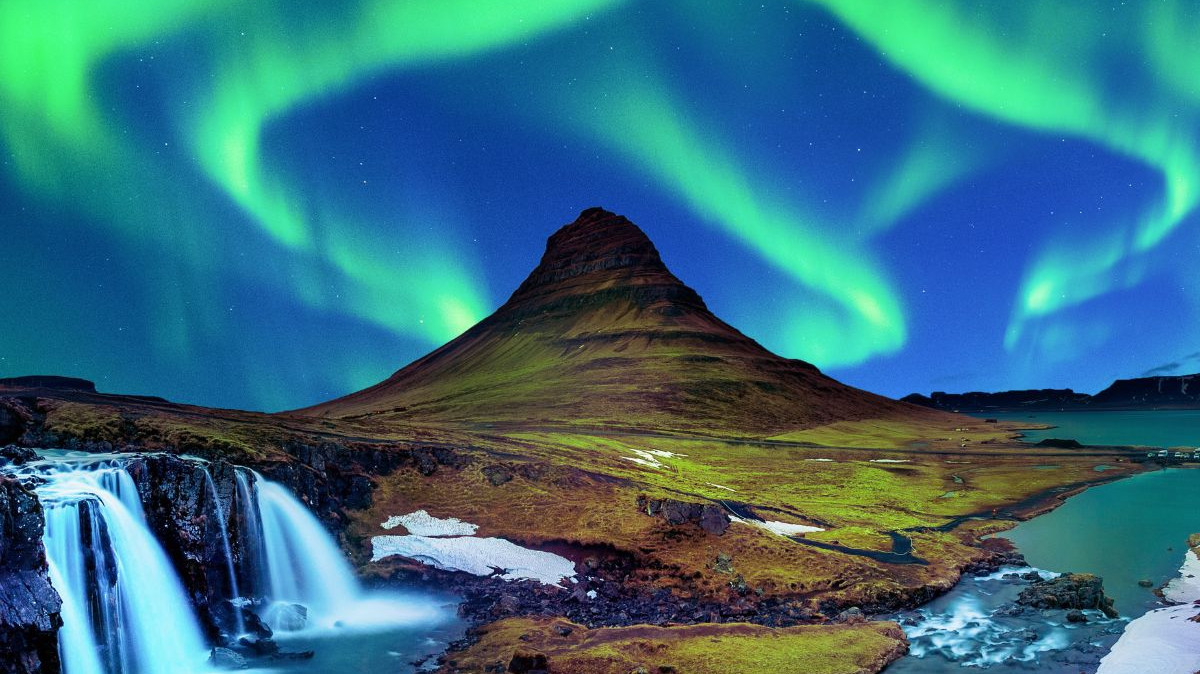
Iceland sits under the auroral oval, so when skies are dark and clear, you’ve got a real shot. The key variable here is weather — give yourself multiple nights and the flexibility to move.
- When to go: Late September–early April (with September and March often lively); it’s simply too bright in summer.
- Maximise your chances: Check the Icelandic aurora + cloud forecasts daily, and be ready to “chase” gaps in the cloud. Consider at least 4–5 nights to average out Iceland’s fast-changing weather. Countryside properties often offer aurora wake-up calls.
- Where to base: Start in Reykjavík but plan night excursions to dark-sky spots; North Iceland (Akureyri / Lake Mývatn) often enjoys clearer winter weather windows.
By day: geysers, glaciers, ice caves and thundering waterfalls — Iceland is a “no regrets” destination even if a night or two is cloudy.
Northern Norway: Tromsø, Lofoten & beyond
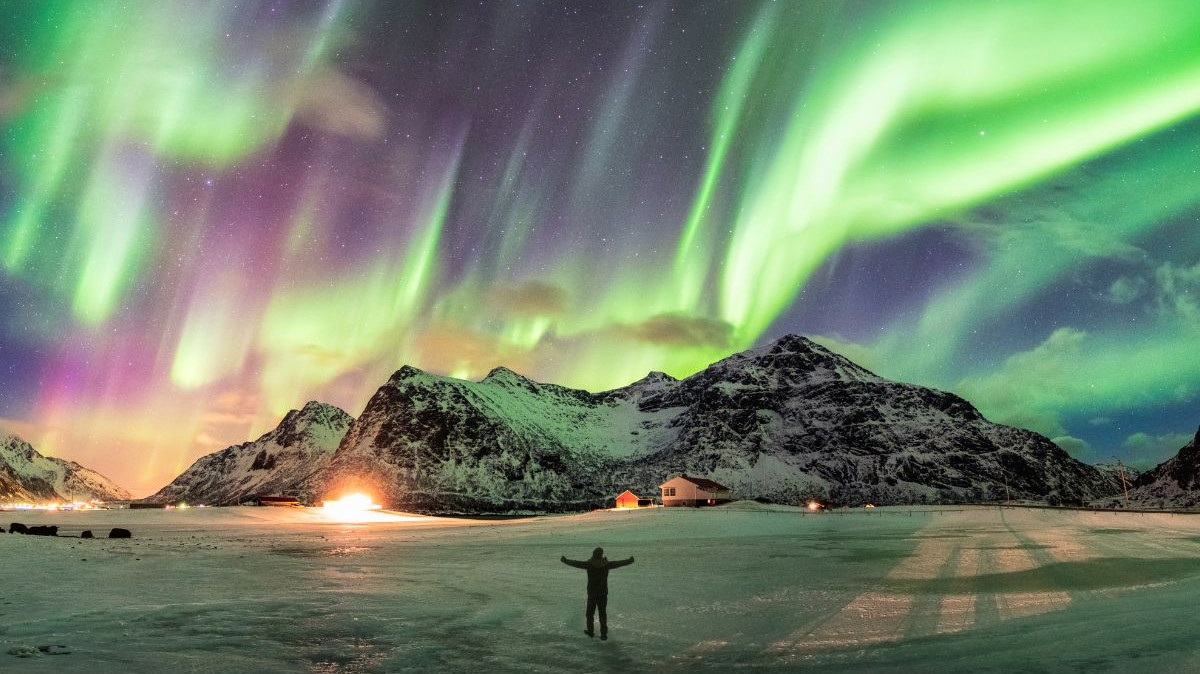
Plot a bullseye on the aurora map and you’ll land near Tromsø (69°N) — bang in the middle of prime latitude. Long, dark winters and expert local guides mean frequent sightings on clear nights.
- When to go: Oct–Mar. Polar Night in Tromsø runs roughly late Nov–mid Jan, delivering maximum darkness (and ethereal blue daylight).
- Maximise your chances: Don’t sit under cloud — Tromsø guides are famous for driving to clear skies, sometimes across to Finland if that’s where the holes are. Multi-night stays (think 5+ nights) materially improve your odds.
- Where to base: Tromsø for lively city + nightly chases; Lofoten, Alta, and Nordkapp for quieter dark skies and cinematic backdrops.
By day: husky sledding, snowmobiling, Sámi culture, and in season, whale watching in towering fjords.
Swedish Lapland: the clear-sky champion
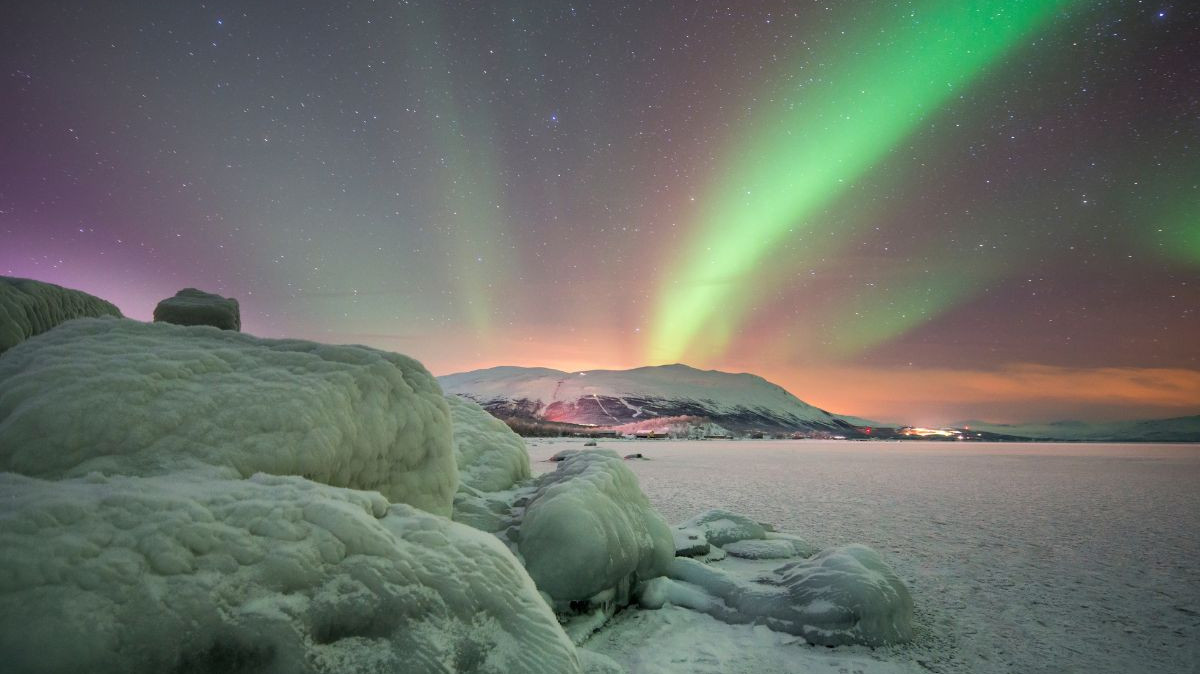
Ask an aurora chaser for a weather “cheat code” and many will say: Abisko. A local mountain microclimate often keeps a “blue hole” of clearer sky overhead — which is why operators nudge travellers to stay 4 nights here, calling it virtually a guarantee.
- When to go: Sept–Mar (deep-winter darkness vs. later-winter clearer spells — take your pick).
- Maximise your chances: Ride the Aurora Sky Station chairlift for huge horizons when conditions allow; plan several nights to benefit from Abisko’s dry, crisp air.
- Where to base: Abisko/Björkliden; pair with Kiruna/Jukkasjärvi for an Icehotel night.
By day: ice rooms, snowshoe forests, huskies and reindeer — with prices often a shade gentler than Iceland/Norway.
Finnish Lapland: glass igloos & Santa’s backyard
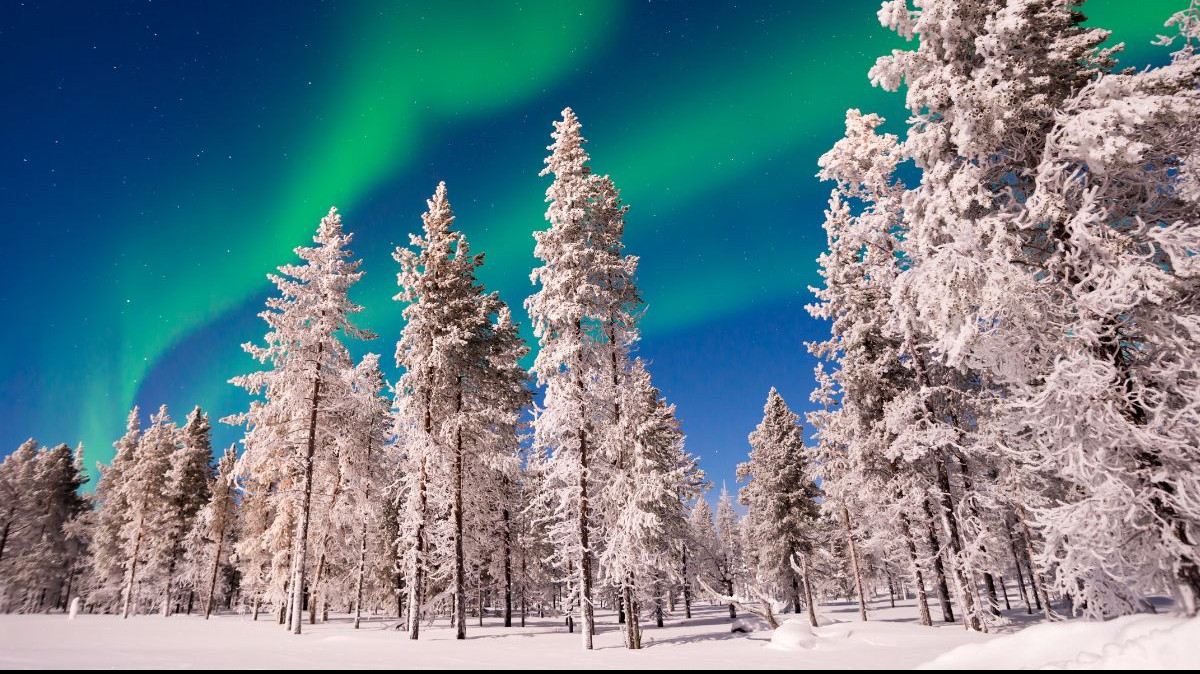
Finland has perfected cosy aurora watching: glass-roof cabins, igloos and aurora alarms mean you can literally see the show from bed. Statistically, Northern Lapland gets auroras on roughly 200 nights/year — i.e., about every other clear night (and up to 3 out of 4 in the far-north Kilpisjärvi–Utsjoki belt if skies are cloud-free).
- When to go: Sept–Mar (Feb is a sweet spot: long dark nights with slightly kinder cold).
- Maximise your chances: Head north (e.g., Saariselkä / Inari), minimise light pollution, and book lodging with skylights/alarms so you won’t miss a 2 a.m. burst.
- Where to base: Rovaniemi for family fun; Saariselkä/Inari/Levi for more dedicated aurora time.
By day: Santa’s village, huskies, ice fishing, downhill at Levi, and the Finnish sauna ritual to thaw out afterwards.
Canada: the aurora’s secret stronghold
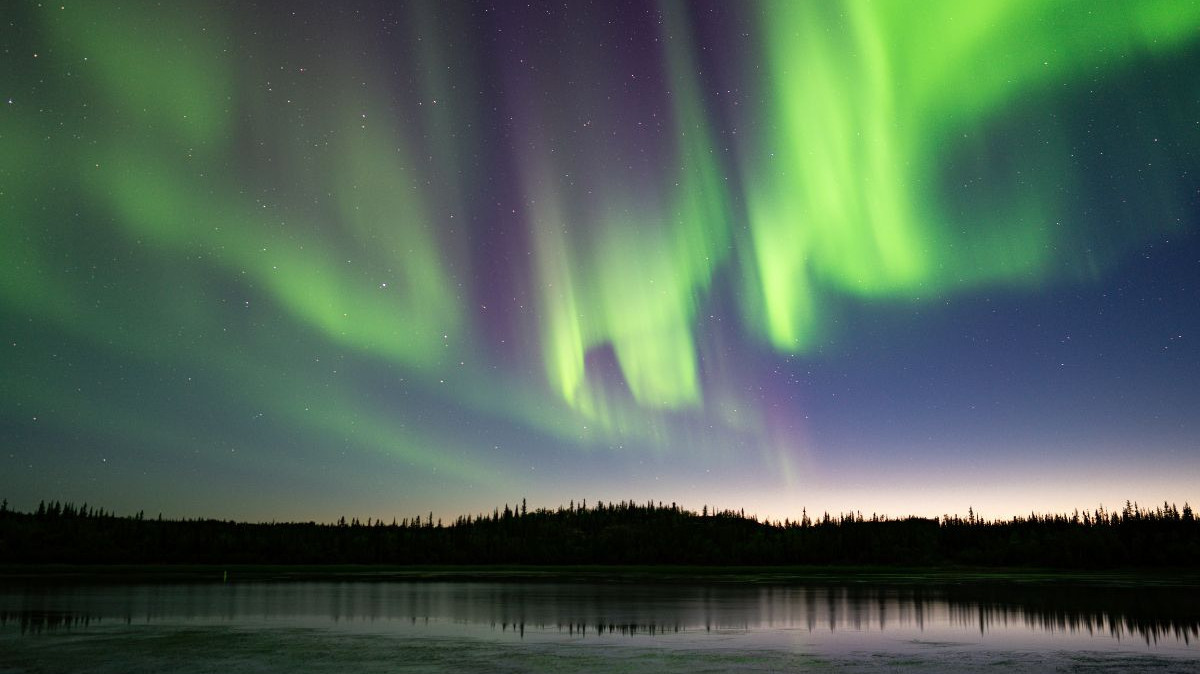
If you can stretch to a longer flight, Canada’s sub-Arctic is aurora gold. Yellowknife (NWT) sits under the oval with up to ~240 aurora nights/year thanks to clear, dry continental skies; local operators quote ~90–98% success on 3–4 night stays. Churchill (Manitoba), meanwhile, reports up to ~300 aurora nights/year.
- When to go: Late Aug–Apr; Jan–Mar bring long, reliably clear nights (bundle up!).
- Maximise your chances: Choose dark-sky lodges/camps just outside town for 360° horizons; many offer heated teepees/domes and even hot tubs so you can wait in comfort.
- Where to base: Yellowknife (aurora “engine room”); Churchill (add polar bears in autumn); Whitehorse (Yukon) as a charming alternative.
Northern Lights cruises: multiple nights, multiple chances
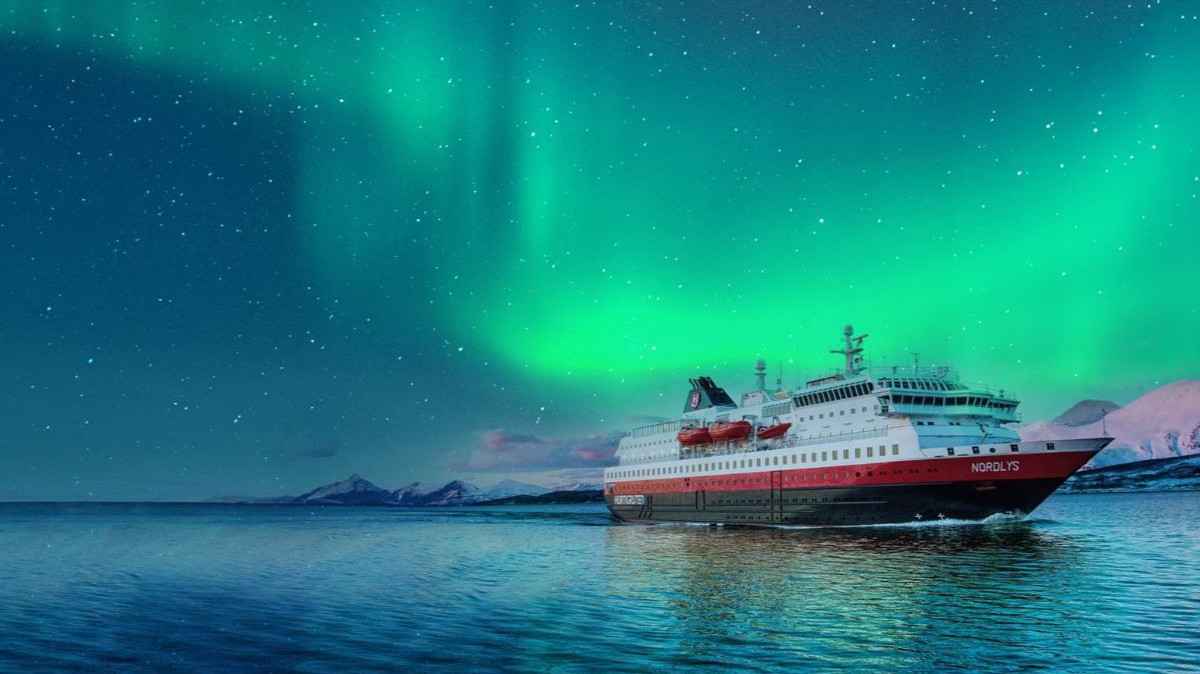
Prefer not to stay put? Hurtigruten and Havila run winter voyages along Norway’s coast and are so confident you’ll see the lights that they offer a Northern Lights Promise: if no aurora occurs within sight of your ship on an 11-day+ voyage in season, they’ll give you a free coastal voyage (terms vary by line).
- When to go: Oct–Mar.
- Maximise your chances: Dress for long deck vigils; keep cabin lights off to reduce reflections; opt-in to night alerts so you’re woken if a 2 a.m. display kicks off.
Other lines — like Fred. Olsen and P&O — run fantastic Northern Lights sailings, but only Hurtigruten and Havila include a formal Northern Lights Promise.
But here’s the thing…
It’s magical — but planning it isn’t simple.
Do you bet on Iceland’s short flight but variable cloud?
Or play Abisko’s clear-sky card with fewer daytime sights?
Glass igloo or ice hotel?
Lively Arctic city with restaurants, or deep-wilderness lodge?
Then layer in flights, transfers, and the risk of finding yourself in the middle of nowhere with limited dining options (unless that’s exactly what you want).
One wrong call, and your once-in-a-lifetime trip becomes an expensive game of hide-and-seek with the weather.
The easy way
That’s where a Not Just Travel Travel Consultant comes in.
Think of us as your personal Northern Lights matchmaker. We'll help you weigh up the options, balance your wish-list with reality, and handle all the fiddly logistics.
That way, you don’t just hope for the Northern Lights – you give yourself the very best chance of seeing them, and enjoy an unforgettable holiday even if they play coy.
Fancy a chat?
If you’d like to talk through some options – no pressure, no obligation – just get in touch. We'll help you figure out which Northern Lights trip is the perfect fit for you.